






Live Online Training

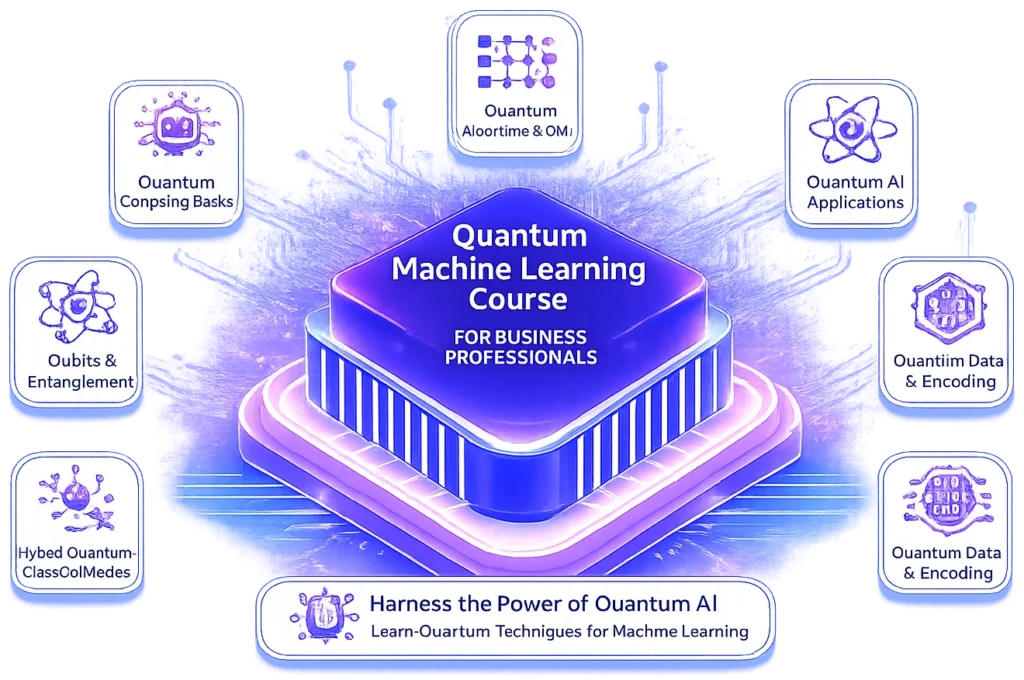
Quantum Machine Learning Course

Twelve weeks of live instruction on the frontier where quantum computing meets machine learning. Qubits, quantum circuits, variational algorithms, quantum kernels, and quantum neural networks. Hands-on with Qiskit and PennyLane, plus real IBM quantum hardware access.

Live Online Training

Real Quantum Hardware Access

Qiskit + PennyLane

Emerging-Field Specialization

Trusted by Learners & Professionals from Top Companies

WHY LEARN QUANTUM MACHINE LEARNING TODAY?

The Long-Horizon Frontier of Applied AI

WHAT YOU'LL LEARN

Quantum Computing Foundations

Qubits & Quantum Gates

Quantum Algorithms

Variational Quantum Circuits

Quantum Kernel Methods

Quantum Neural Networks

Hybrid Quantum-Classical Models

Quantum ML Applications

TOOLS & FRAMEWORKS YOU'LL MASTER

Qiskit

IBM's quantum computing framework

PennyLane

Purpose-built for quantum machine learning

IBM Quantum

Cloud access to real quantum hardware

Amazon Braket

AWS quantum computing service
Azure Quantum

Microsoft's quantum platform

Cirq

Google's quantum framework

Python

The language of quantum ML

NumPy

Numerical foundation for quantum computing

PyTorch

Classical side of hybrid models

TensorFlow Quantum

Google's quantum ML library

Matplotlib

Visualizing quantum states and circuits
Jupyter

Standard quantum development environment

COURSE CURRICULUM

01

02

03

04

05

Week 1

Quantum Foundations

Week 3

Quantum Circuits & Algorithms

Week 5

Variational Quantum Algorithms

Week 8

Quantum Neural Networks

Week 11

Applications & Hardware

What You Will Learn

The Twelve-Week Curriculum

The curriculum is organized into four arcs across twelve weeks. The course covers quantum computing foundations before moving into quantum machine learning specifically, because the QML material does not make sense without the underlying quantum computing understanding.

01

Module 1

Quantum Computing Foundations

The first arc is the longest because the quantum computing foundation is essential to everything that follows. Topics include the mathematical foundation (linear algebra for quantum computing at working depth); qubits and quantum states with the Bloch sphere; quantum gates and circuits; quantum entanglement; measurement and the no-cloning theorem; the foundational quantum algorithms (Deutsch-Jozsa, Bernstein-Vazirani, Grover’s, Shor’s) at a conceptual level; quantum noise and error on current hardware; and hands-on work with Qiskit throughout.

The arc ends with a project: a quantum circuit implementing one of the foundational quantum algorithms, simulated and analyzed.

You will Explore

Qubits & Bloch Sphere

Quantum Gates & Circuits

Quantum Entanglement

Foundational Algorithmsx

02

Module 2

Variational Algorithms & Near-Term Quantum Computing

The second arc covers the algorithms that work on current quantum hardware — variational quantum algorithms — which form the foundation of essentially all current quantum machine learning practice.

Topics include the variational paradigm; the Variational Quantum Eigensolver (VQE); the Quantum Approximate Optimization Algorithm (QAOA); parameterized quantum circuits with attention to ansatz design, expressibility, and trainability; barren plateaus and mitigation strategies; classical optimizers for quantum problems (Adam, SPSA, COBYLA); and hands-on work with PennyLane alongside Qiskit.

You will Explore

VQE Deep Dive

QAOA

Parameterized Circuits

Barren Plateau Mitigation

03

Module 3

Quantum Machine Learning Models

The third arc covers quantum machine learning specifically — the algorithms, architectures, and applications that define the field. Topics include quantum data encoding (amplitude, basis, angle encoding); quantum kernel methods and the connection to classical SVMs; quantum neural networks; hybrid quantum-classical models; quantum generative models; quantum reinforcement learning; and an honest discussion of the quantum advantage question — what is rigorously established, what remains speculative, and how to distinguish credible claims from marketing.

You will Explore

Quantum Data Encoding

Quantum Kernel Methods

Quantum Neural Networks

Hybrid Models

04

Module 4

Applications, Hardware & Capstone

By the end of twelve weeks, you’ll have working literacy in quantum machine learning — one of the most substantive emerging fields in computing.

Topics include quantum ML for chemistry and materials; quantum ML for finance (portfolio optimization, risk); quantum ML for biology (drug discovery, protein structure); the current hardware landscape (superconducting, trapped ions, photonics, neutral atoms); cloud access to quantum hardware (IBM Quantum, Amazon Braket, Azure Quantum); and reading quantum ML research.

Quantum for Chemistry

Quantum for Finance

Current Hardware Platforms

Reading QML Research

Each learner builds a quantum ML application as the capstone.

Capstone Project

Design • Implement • Analyze

A quantum ML application scoped to a problem of substantive interest. Recent capstones: quantum kernel methods on real datasets, variational quantum classifiers on benchmark problems, hybrid quantum-classical models for specific applications, implementations of recent QML research papers.

By the end of twelve weeks, you'll have shipped a real autonomous multi-agent system — the kind of portfolio piece the most competitive US AI engineering roles specifically look for.

REAL-WORLD PROJECTS

Quantum Circuit from Scratch

Build and simulate a foundational quantum algorithm.

VQE Implementation

Applied variational quantum eigensolver on a chemistry problem.
Quantum Kernel Classifier

Classical dataset classified with a quantum kernel.
Hybrid Quantum-Classical Model

Quantum subcircuit integrated into a classical ML pipeline.
QML Research Implementation

Reproduce a recent quantum ML research paper.

Course Format and Delivery

The course is delivered fully online through live, instructor-led sessions taught by a working quantum computing practitioner with substantial machine learning experience.

01

Schedule

Three live sessions per week over twelve weeks, in evening and weekend slots that accommodate working professionals across US time zones.

02

Real Quantum Hardware Access

Cloud access to IBM Quantum systems provided through course credentials.

03

Live Circuit Work

Sessions are heavily applied. Learners write quantum circuits, simulate them, and run them on real hardware during sessions.

04

Code Reviews

Major projects and the capstone receive direct code review with written feedback.

05

Cohort Discussion

Active discussion channel throughout for technical questions and the kind of conversations working quantum practitioners have.

Prerequisites And Technical Requirements

The course requires substantive existing foundations. Learners without them tend not to finish.

Python proficiency at a working level, including NumPy

Machine learning foundation — supervised and unsupervised basics

College-level calculus and linear algebra

Laptop with 16 GB RAM, modern OS; no specialized hardware required

Why Quantum ML Skills Matter For The Long Horizon

A Small but Growing Field.

The job market for dedicated quantum ML practitioners is real but small. Major employers include IBM Research, Google Quantum AI, Microsoft Quantum, Amazon Braket, dedicated quantum companies, US national labs, and emerging startups. Total positions are in the low thousands and competitive.

Combined Credentials Are Rare.

Practitioners with both classical ML credentials and demonstrable quantum literacy are uncommon. The combination is competitive for dedicated quantum ML roles when they arise. For most learners, the more realistic framing is working quantum literacy alongside continued classical work.

Long-Horizon Capability Investment.

This course is positioned as long-horizon capability building rather than immediate career change. Senior engineers and researchers with quantum literacy are well-positioned to engage credibly with quantum initiatives at their organizations as the field continues to mature.

Learn From Industry Leaders

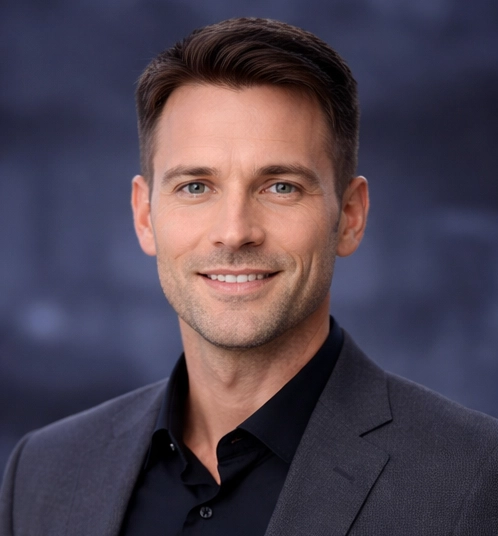
Michael Anderson

Lead Instructor — AI & Cloud

Senior AI engineer with extensive experience designing machine learning platforms and deploying enterprise AI solutions.

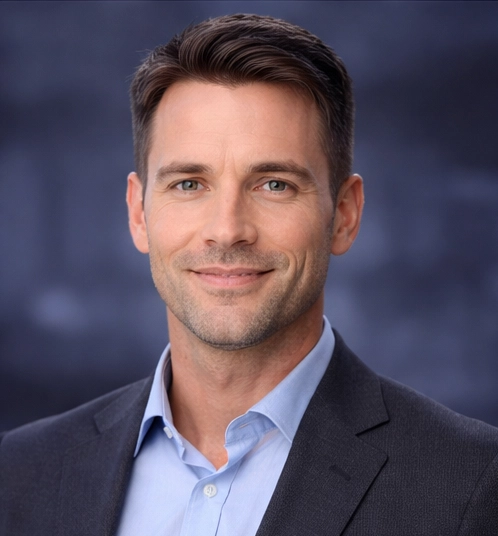
David Miller

Cloud & MLOps Instructor

Cloud Architect specializing in scalable AI infrastructure, MLOps automation, and multi-cloud deployments for enterprise.

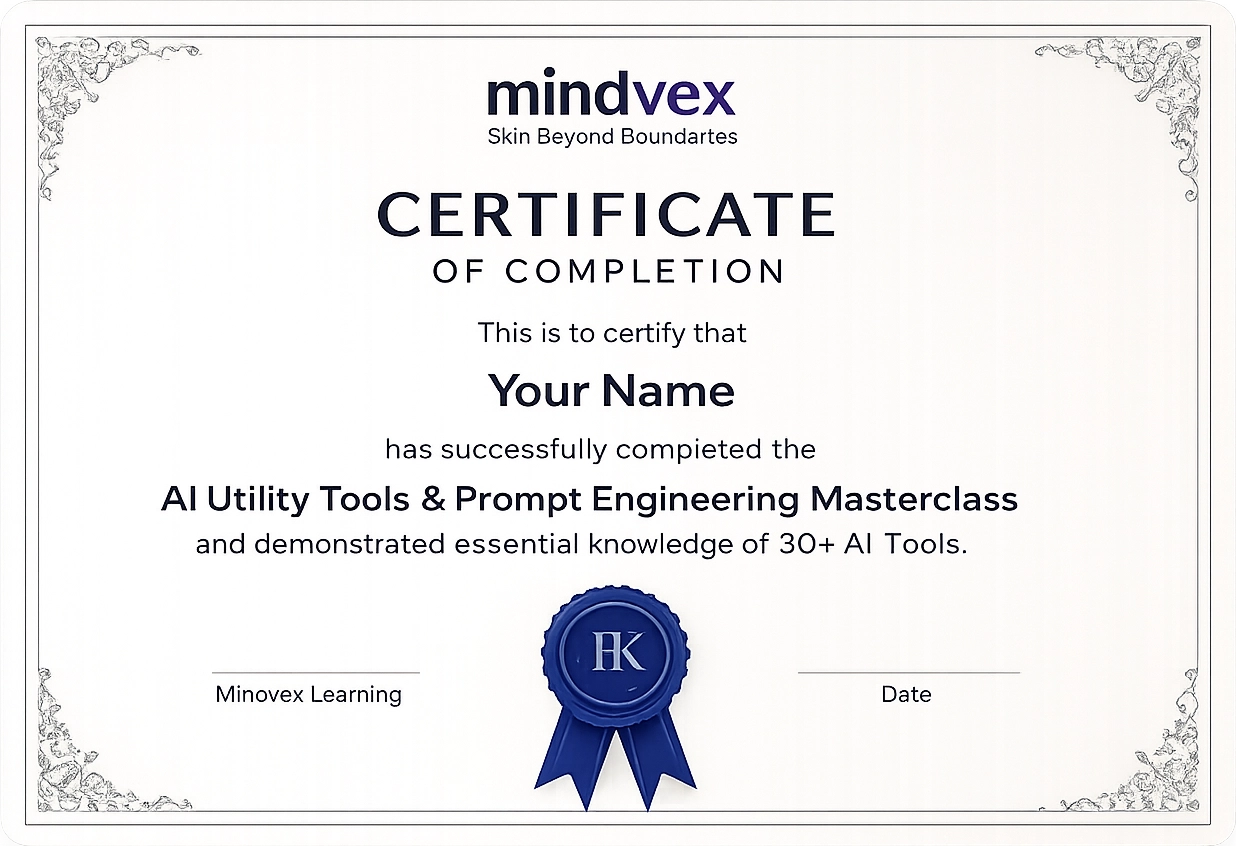
INDUSTRY RECOGNIZED CERTIFICATE

Receive an industry-recognized certificate after successful course completion.

Career Impact

Weeks to working quantum ML literacy
0
Major QML frameworks mastered (Qiskit + PennyLane)
0

Real

IBM quantum hardware access included

Emerging

Field where early practitioners establish the credentials

What Our Learners Say

Ready To Explore The Quantum Frontier?

Join an intellectually substantive cohort at the frontier of applied AI.

Frequently Asked Questions

Helpful but not required. The course teaches quantum concepts from a computing perspective, starting from mathematical foundations rather than quantum mechanics formalism. Learners with college calculus and linear algebra can complete without prior physics.

Honest answer: quantum ML is currently a research field with limited practical applications in production. The course is built around that reality — long-horizon capability building rather than direct production engineering training.

General quantum courses cover the breadth of the field (error correction, cryptographic applications, hardware). This course covers foundations at the depth needed to support quantum ML and then focuses specifically on ML applications.

Both Qiskit (IBM) and PennyLane (purpose-built for QML) at working depth. Both appear in different parts of the research and practitioner community.

Yes. Cloud access to IBM quantum systems is provided through the IBM Quantum platform with allocations sufficient for coursework.

The foundational quantum computing material is stable. Quantum ML research moves quickly enough that specific algorithms evolve regularly. Updated each cohort.

Gives a working foundation supporting either applied or research-adjacent path. Pure research careers may want to supplement with formal RL and autonomous-systems research literature.

For learners specifically targeting quantum roles, this course is a useful foundation but typically not sufficient on its own. The path usually requires additional study, demonstrated research or engineering work, and engagement with the broader quantum community.

Start Your Quantum ML Journey!

Cohort cap 15. Enter an emerging field early.